How to Chase Down in Basketball
The chase down technique in basketball is a critical defensive skill that allows players to recover from positioning mistakes and contest shots from behind. Whether you're defending a fast break, recovering from a screen, or pursuing a driving opponent, mastering the chase down can significantly improve your defensive effectiveness and team performance.
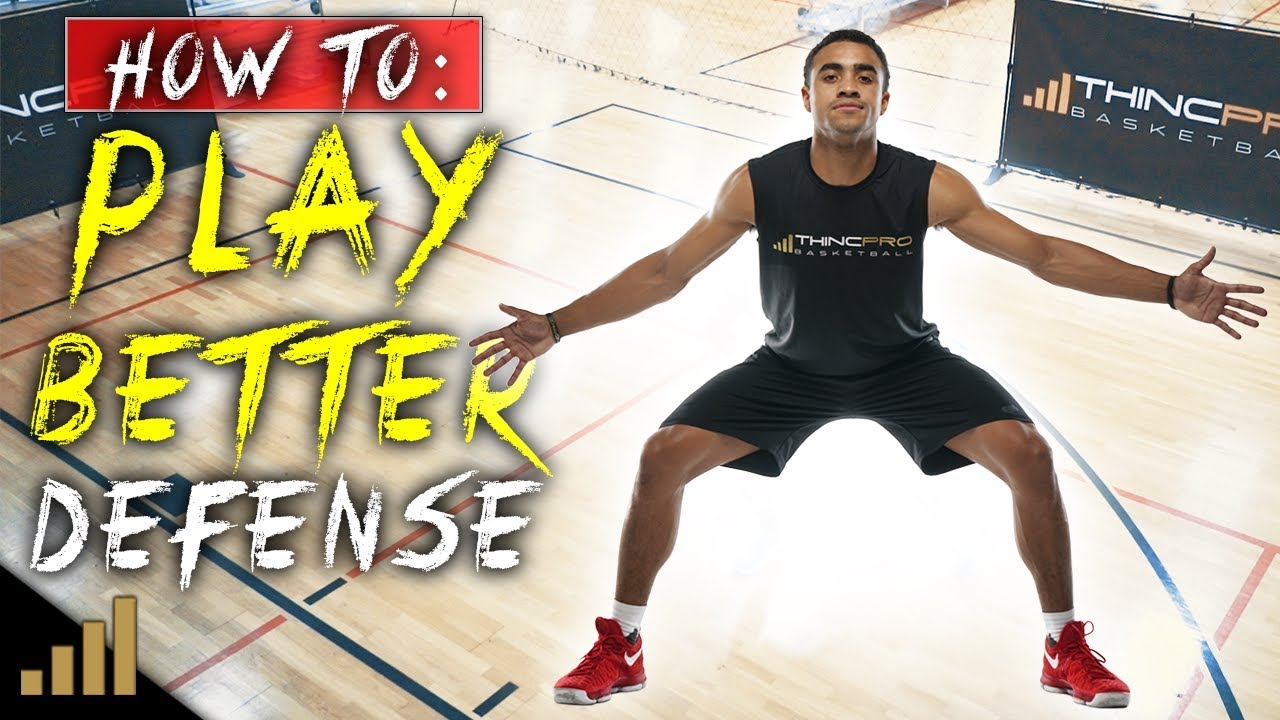
What Is a Chase Down?
A chase down occurs when a defender pursues an offensive player who has gained separation or is moving toward the basket. The goal is to contest the shot, force a difficult pass, or recover defensive position. Unlike a traditional defensive stance, the chase down requires explosive acceleration, sustained speed, and proper body positioning to avoid fouling.
Professional basketball players like Kawhi Leonard, Tony Allen, and Draymond Green are known for their exceptional chase down abilities. These defenders use their athleticism and basketball intelligence to recover from mistakes and make crucial plays in critical moments.
Key Components of Chase Down Technique
1. Explosive First Step
The chase down begins with an explosive first step. Your initial movement must be immediate and powerful. Push off your back leg with force, driving your opposite knee forward. This generates the momentum needed to close the gap quickly.
- Engage your core muscles for stability
- Drive your arms to generate power
- Push off the ball of your back foot
- Maintain an athletic posture throughout
2. Acceleration and Speed
After your initial explosive step, maintain acceleration toward the offensive player. This requires:
- Short, quick steps to build speed
- Proper arm mechanics for momentum
- Forward lean from the ankles (not the waist)
- Eyes focused on the ball and the offensive player
3. Positioning and Angle
As you close the gap, adjust your angle to cut off the offensive player's path to the basket. The optimal angle depends on:
- Offensive player's location: Are they at the three-point line or driving to the basket?
- Ball position: Is the ball in their hands or in the air?
- Teammate support: Are other defenders available to help?
4. Vertical Extension
When contesting a shot, extend your arms vertically to contest without fouling. Keep your hands open and fingers spread wide. Avoid:
- Extending horizontally across the offensive player's body
- Making contact with the shooter's arm or hand
- Jumping into the shooter's space
5. Body Control and Balance
Maintain control of your body throughout the chase down. This prevents:
- Unnecessary fouls
- Loss of balance and positioning
- Vulnerability to offensive moves
Chase Down Scenarios and Strategies
Fast Break Defense
In fast break situations, the trailing defender must sprint to catch up with the offensive player. Key strategies include:
- Identify the ball handler immediately
- Sprint in a straight line toward the ball handler
- Force the ball handler to make a decision quickly
- Communicate with teammates to prevent easy baskets
Perimeter Chase Down
When chasing down a perimeter player attempting a three-pointer:
- Close the gap as quickly as possible
- Contest the shot with vertical extension
- Avoid fouling by maintaining proper hand positioning
- Be prepared for the offensive player's counter-moves
Interior Chase Down
For interior players chasing down post players:
- Use your body to maintain position
- Contest without fouling
- Be aware of offensive fouls
- Communicate with teammates about positioning
Common Mistakes to Avoid
Even experienced players make mistakes when executing chase down techniques. Avoid these common errors:
| Mistake | Consequence | Solution |
|---|---|---|
| Fouling the shooter | Free throw attempts and foul trouble | Extend arms vertically with open hands |
| Overcommitting to the chase | Leaving other players open | Maintain awareness of teammates and spacing |
| Poor footwork during acceleration | Inability to catch up to the offensive player | Practice explosive first steps and acceleration drills |
| Losing balance during the contest | Vulnerability to offensive moves and fouls | Maintain proper body control and posture |
| Incorrect angle of pursuit | Ineffective defense and easy baskets | Study court positioning and angles |
Training Drills for Chase Down Technique
Drill 1: Baseline Chase Down
Set up cones along the baseline. Sprint from one end to the other, simulating a chase down. Focus on explosive first steps and maintaining speed. Perform 10 repetitions with 30-second rest intervals.
Drill 2: Reaction Chase Down
Have a partner move in different directions. React immediately and chase them down. This develops reactive speed and decision-making. Perform 20 repetitions.
Drill 3: Shot Contest Chase Down
Partner shoots from various spots on the court. Sprint to contest the shot with proper vertical extension. Focus on avoiding fouls while contesting effectively. Perform 15 repetitions.
Drill 4: Game-Speed Chase Down
Simulate game situations with multiple defenders and offensive players. Practice chase down techniques in realistic game scenarios. Perform 5-minute intervals.
Advanced Chase Down Strategies
Reading Offensive Intentions
Elite defenders anticipate offensive moves before they happen. Study your opponents' tendencies to predict:
- Shot attempts
- Pass options
- Driving lanes
- Offensive movement patterns
Positioning for Recovery
Position yourself to recover quickly if you're beaten. This means:
- Maintaining a low center of gravity
- Keeping your feet active
- Staying between the ball and the basket
- Communicating with teammates
Using Teammates for Support
Chase down is more effective with teammate support. Communicate to:
- Alert teammates to help
- Coordinate defensive rotations
- Prevent easy scoring opportunities
- Create turnovers through pressure
Conditioning for Chase Down Success
Chase down requires explosive power and sustained speed. Develop these attributes through:
- Plyometric exercises: Box jumps, bounding, and lateral bounds
- Sprint training: Short sprints and acceleration work
- Agility drills: Ladder drills and cone drills
- Strength training: Leg and core strengthening exercises
- Cardiovascular conditioning: High-intensity interval training
Frequently Asked Questions
Can shorter players execute effective chase downs?
Absolutely. While height can be an advantage, speed, quickness, and proper technique are more important. Many elite guards are known for their exceptional chase down abilities despite being shorter than their opponents.
How do I avoid fouling during a chase down?
Maintain vertical extension with open hands and fingers spread wide. Avoid extending your arms horizontally or making contact with the offensive player's body. Practice proper hand positioning in drills.
What's the difference between a chase down and a block?
A block occurs when you're already defending the player. A chase down is when you must recover from being out of position. Both require similar techniques but different contexts.
How can I improve my chase down speed?
Focus on explosive first steps, acceleration drills, and plyometric training. Practice sprint work and agility drills regularly to develop the speed needed for effective chase downs.
Mastering the chase down technique is essential for becoming a complete defender. With consistent practice and proper technique, you can recover from mistakes and make crucial plays that impact your team's success. Start incorporating these strategies into your training today.