Defensive Basketball Techniques
Defensive basketball techniques form the foundation of championship-level play. Understanding and executing proper defensive strategies separates elite teams from average ones. This comprehensive guide covers the fundamental and advanced techniques used by professional basketball players and coaches worldwide.
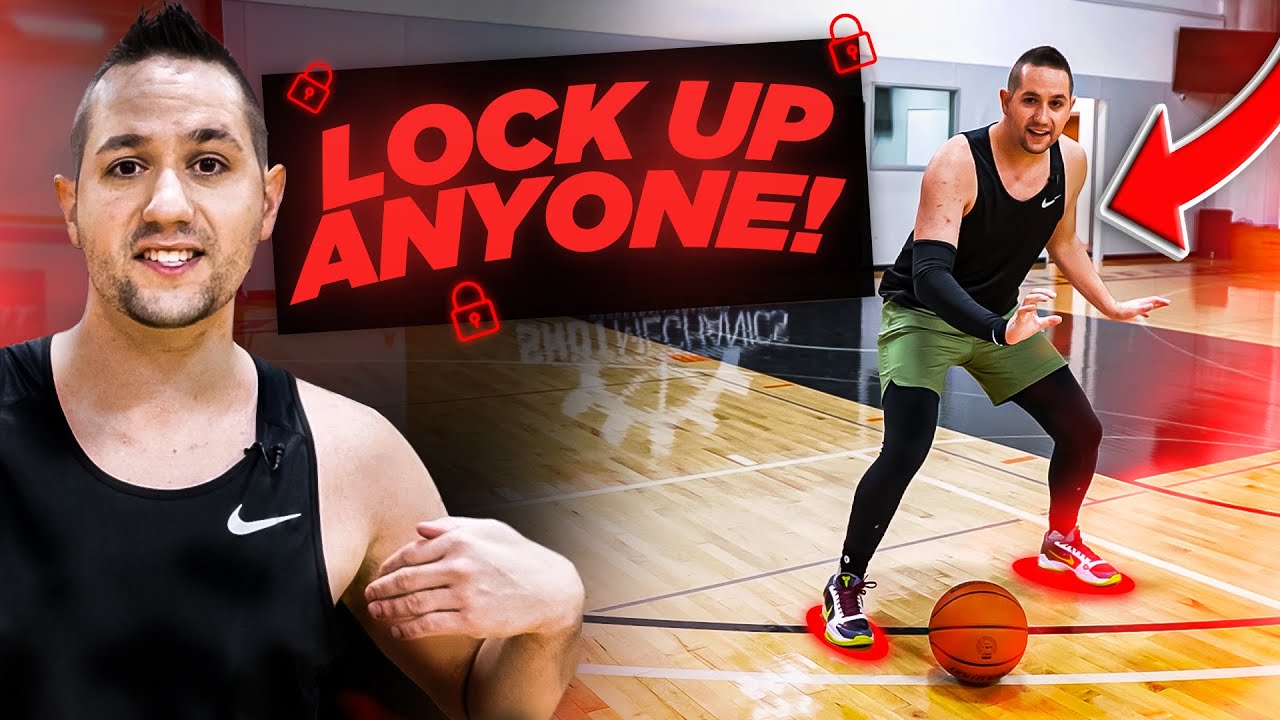
Types of Defensive Systems
Man-to-Man Defense
Man-to-man defense is the most fundamental defensive system. Each defender is assigned to guard a specific offensive player. Key principles include:
- Deny the ball: Prevent your assigned player from receiving the ball
- Maintain proper distance: Stay close enough to contest but far enough to react
- Anticipate movement: Read offensive intentions and position accordingly
- Communicate: Call out screens and switches with teammates
- Recover quickly: Get back to your player after helping teammates
Zone Defense
In zone defense, defenders are responsible for a specific area rather than a specific player. Common zone formations include:
- 2-3 Zone: Two guards at the top, three players in the paint
- 3-2 Zone: Three guards at the top, two in the paint
- 1-3-1 Zone: One defender at the top, three in the middle, one at the bottom
- 1-2-2 Zone: One at the top, two in the middle, two at the bottom
Zone defense advantages include:
- Protection against perimeter shooting
- Better interior defense
- Reduced foul trouble
- Team-oriented defensive approach
Pressing Defense
Pressing defense applies full-court or half-court pressure to force turnovers. Types of presses include:
- Full-court press: Pressure from baseline to baseline
- Half-court press: Pressure from the half-court line
- Full-court man-to-man press: Aggressive man-to-man coverage
- Full-court zone press: Aggressive zone coverage
Individual Defensive Techniques
Denying the Ball
Denying the ball prevents offensive players from receiving passes. Execute this technique by:
- Positioning yourself between the ball and your assigned player
- Extending one arm toward the ball handler
- Keeping your eyes on both the ball and your player
- Being ready to recover if your player cuts to the basket
Overplaying
Overplaying forces offensive players toward specific areas of the court. Use this technique to:
- Force right-handed players to the left
- Push players away from their strong hand
- Funnel players toward help defenders
- Create passing lane congestion
Hedging and Recovering
Hedging involves stepping out to contest a screen, then recovering to your original assignment. This technique:
- Disrupts offensive flow
- Buys time for teammates to rotate
- Prevents easy scoring opportunities
- Requires communication and positioning awareness
Switching on Screens
Switching involves exchanging defensive assignments when a screen is set. Benefits include:
- Continuous coverage of offensive players
- Prevention of open looks
- Reduced confusion on the court
- Simplified defensive communication
Help and Rotation Defense
Help defense involves assisting teammates when they're beaten. Proper help defense requires:
- Positioning awareness: Know where help is needed
- Quick decision-making: Decide when to help and when to stay
- Communication: Call out help and coverage
- Recovery: Return to your assignment quickly
- Rotation: Shift to cover the vacated area
The Help and Recover Drill
Practice help defense with this drill:
- Set up three offensive players in a triangle formation
- Assign three defenders to guard them
- One offensive player drives to the basket
- The nearest defender helps, while others rotate
- The original defender recovers to their assignment
- Repeat with different offensive players
Defensive Positioning and Spacing
| Situation | Optimal Position | Key Focus |
|---|---|---|
| On-ball defense | Between ball and baseline, arm's length away | Deny penetration, contest shots |
| Off-ball defense (one pass away) | One step toward the ball, ready to help | Deny the pass, prepare to help |
| Off-ball defense (two passes away) | Deeper in the paint, protecting the basket | Protect the paint, provide help |
| Weak-side defense | Paint area, ready to help or rebound | Protect the basket, grab rebounds |
Advanced Defensive Concepts
Defensive Versatility
Modern basketball requires defenders to guard multiple positions. Develop versatility by:
- Improving lateral quickness
- Developing strength for post defense
- Practicing against different body types
- Studying opponent tendencies
Transition Defense
Transition defense occurs when the offense is moving quickly toward the basket. Execute transition defense by:
- Sprinting back on defense immediately
- Establishing defensive position before the offense reaches the basket
- Communicating with teammates
- Preventing easy scoring opportunities
Defensive Intensity and Pressure
Maintaining defensive intensity throughout the game is crucial. Build intensity by:
- Staying low and athletic
- Using active hands and feet
- Communicating constantly
- Taking pride in defensive performance
Common Defensive Mistakes
Avoid these common defensive errors:
- Standing too upright: Reduces lateral movement and quickness
- Overcommitting: Leaves other players open
- Poor communication: Leads to confusion and defensive breakdowns
- Reaching: Results in fouls and open looks
- Losing focus: Allows easy scoring opportunities
Defensive Drills
1v1 Closeout Drill
Practice closing out on shooters with proper footwork and hand positioning. This develops the ability to contest shots without fouling.
2v2 Screen and Roll Defense
Work on defending pick-and-roll situations with a partner. Practice hedging, switching, and recovering.
3v3 Help and Rotation
Develop help defense and rotation skills in a three-on-three setting. Focus on communication and positioning.
5v5 Full-Court Defense
Practice all defensive techniques in a full-court, five-on-five setting. Simulate game situations and intensity.
Frequently Asked Questions
What's the best defensive system?
The best defensive system depends on your team's personnel and opponents. Most successful teams use a combination of man-to-man and zone defense.
How can I improve my defensive positioning?
Study game film, practice defensive drills regularly, and focus on maintaining proper stance and spacing. Communication with teammates also improves positioning.
How do I defend against screens?
You can either hedge and recover, switch, or fight through the screen. The best option depends on your team's defensive strategy and personnel.
Mastering defensive basketball techniques requires dedication, practice, and a commitment to continuous improvement. With consistent effort and proper instruction, you can develop the defensive skills needed to excel at the highest levels of basketball.