The Defensive Stance: Foundation of Defense
The defensive stance in basketball is the foundation of all defensive movements and techniques. A proper defensive stance enables quick lateral movement, explosive acceleration, and sustained balance throughout the game. This comprehensive guide covers the fundamentals of the defensive stance and how to master this essential skill.
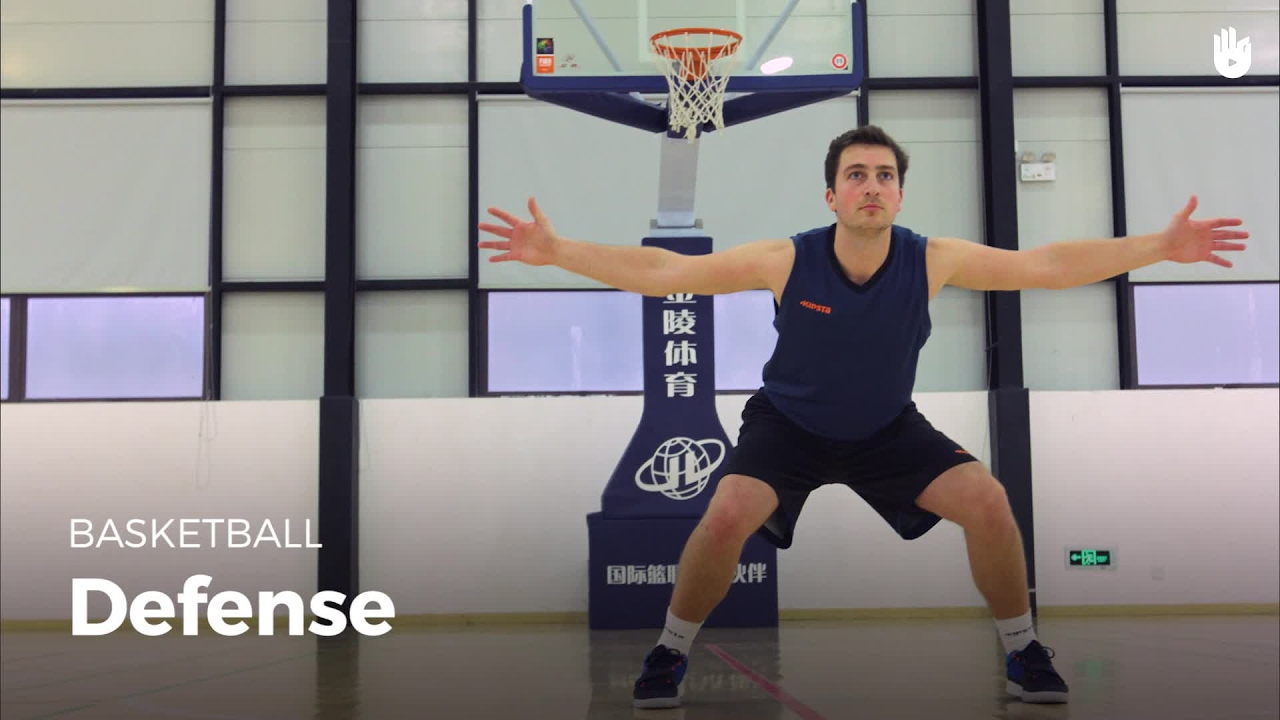
Why the Defensive Stance Matters
The defensive stance is crucial because it:
- Enables quick lateral movement and direction changes
- Provides balance and stability during defensive movements
- Allows for explosive acceleration and deceleration
- Reduces injury risk through proper body alignment
- Improves defensive positioning and spacing
- Enables sustained defensive intensity throughout the game
Components of the Defensive Stance
1. Foot Positioning
Proper foot positioning is the foundation of the defensive stance:
- Shoulder-width apart: Feet should be approximately shoulder-width apart for balance
- Slight stagger: One foot slightly forward, one slightly back (optional)
- Weight on balls of feet: Keep weight on the balls of your feet for quick movement
- Heels slightly elevated: Heels should be slightly off the ground for readiness
2. Knee Bend
Proper knee bend is essential for defensive movement:
- Knees bent: Bend knees to approximately 45 degrees
- Consistent bend: Maintain knee bend throughout defensive movements
- Active knees: Keep knees active and ready to react
- Avoid locking: Never lock knees, which reduces movement ability
3. Hip and Back Position
Hip and back positioning affects balance and movement:
- Hips back: Position hips back to maintain balance
- Slight forward lean: Lean slightly forward from the ankles (not the waist)
- Straight back: Keep your back relatively straight
- Engaged core: Engage your core muscles for stability
4. Arm and Hand Position
Active arms and hands are crucial for defensive effectiveness:
- Arms active: Keep arms active and ready to move
- Hands up: Raise hands to contest passes and shots
- Fingers spread: Spread fingers wide for maximum coverage
- Avoid reaching: Don't reach excessively, which causes fouls
5. Head and Eyes
Proper head and eye positioning enables better court awareness:
- Eyes on ball: Keep eyes focused on the ball
- Peripheral vision: Use peripheral vision to see offensive players
- Head up: Keep your head up for court awareness
- Anticipate movement: Read offensive intentions through body language
The Complete Defensive Stance Checklist
| Body Part | Proper Position | Common Mistake |
|---|---|---|
| Feet | Shoulder-width apart, weight on balls | Feet too close or too wide |
| Knees | Bent to 45 degrees, active | Knees locked or too bent |
| Hips | Back and engaged, slight forward lean | Hips too far forward or back |
| Back | Relatively straight, engaged core | Slouching or excessive lean |
| Arms | Active, hands up and spread | Arms down or excessive reaching |
| Head/Eyes | Up, focused on ball and court | Looking down or losing court awareness |
Defensive Stance Variations
On-Ball Stance
The on-ball stance is used when defending the player with the ball:
- Closer distance to offensive player (arm's length)
- More aggressive hand positioning
- Greater focus on the ball
- Ready to react to offensive moves
Off-Ball Stance
The off-ball stance is used when defending players without the ball:
- Greater distance from assigned player
- Better court awareness and positioning
- Ready to help teammates or rotate
- Balance between defending your player and helping
Help-Side Stance
The help-side stance is used when positioned to help teammates:
- Positioned in the paint or near the basket
- Ready to help on penetration
- Prepared to defend the basket
- Alert to rotations and defensive changes
Common Defensive Stance Mistakes
Avoid these common errors when establishing your defensive stance:
- Standing too upright: Reduces lateral movement and balance
- Feet too close together: Limits stability and movement
- Heels on the ground: Reduces readiness and quickness
- Arms down: Reduces ability to contest passes and shots
- Looking down: Reduces court awareness and anticipation
- Excessive reaching: Causes fouls and defensive breakdowns
- Inconsistent positioning: Leads to defensive vulnerabilities
Defensive Stance Drills
Drill 1: Stance Hold
Practice maintaining proper stance for extended periods.
Execution:
- Assume proper defensive stance
- Hold for 30 seconds
- Rest 15 seconds
- Repeat 10 times
Drill 2: Stance with Movement
Practice maintaining stance while moving laterally.
Execution:
- Assume proper defensive stance
- Slide laterally for 10 feet
- Maintain proper stance throughout
- Complete 10 repetitions each direction
Drill 3: Reactive Stance
Practice reacting from defensive stance to different movements.
Execution:
- Assume proper defensive stance
- Partner points in a direction
- React and move in that direction
- Return to stance
- Complete 20 repetitions
Drill 4: Game-Speed Stance
Practice maintaining stance at game speed during defensive drills.
Execution:
- Participate in defensive drills or game situations
- Focus on maintaining proper stance throughout
- Perform for 5-10 minute intervals
Integrating the Defensive Stance into Your Game
Develop proper defensive stance habits through:
- Consistent practice: Practice proper stance daily
- Drills and repetition: Use specific drills to build muscle memory
- Game situations: Practice stance in game-like scenarios
- Self-awareness: Monitor your stance during practice and games
- Feedback: Ask coaches and teammates for feedback on your stance
Frequently Asked Questions
Can I use a different defensive stance?
While the fundamentals remain the same, slight variations exist based on player height, position, and playing style. The key is maintaining proper balance, readiness, and movement capability.
How long does it take to develop a proper stance?
With consistent practice, you can develop proper stance habits within 2-3 weeks. However, maintaining proper stance under game conditions takes longer—typically 4-8 weeks of dedicated practice.
Should my stance change based on the offensive player?
While the fundamentals remain consistent, you may adjust your distance and positioning based on the offensive player's tendencies and the game situation.
How do I know if my stance is correct?
Ask a coach or experienced player to evaluate your stance. Video yourself to compare your stance to the fundamentals outlined in this guide.
Mastering the defensive stance is the first step toward becoming an elite defender. With consistent practice and attention to proper technique, you can develop the foundation needed for defensive excellence.